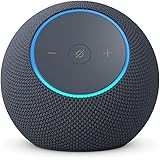
We’ve all been there: patiently trying to explain modern technology to a loved one. You might have seen the video above, which humorously portrays the concept of an “Amazon Echo Silver.” This brilliant sketch highlights real frustrations. It underscores the profound need for truly accessible smart speakers for seniors. The challenges older adults face with contemporary gadgets are often overlooked. Yet, smart home technology holds immense potential for enhancing senior living.
The vision of a smart speaker tailored specifically for the aging population is compelling. It is more than just a comedic premise. It speaks to a critical area of technological development. This field is often called gerontechnology. It focuses on designing tech solutions for older adults. Such innovation addresses unique cognitive and physical considerations. It helps bridge the digital divide for our seniors.
Understanding the Need for Elder-Friendly Smart Speakers
The general market for voice assistants has exploded. Devices like the standard Amazon Echo offer incredible convenience. However, their interfaces and expected interactions often prove challenging. These devices require precise commands. They demand understanding of specific activation phrases. Many elderly individuals find this frustrating. Their hearing may be diminished. Their cognitive processing speed might have slowed. The very rapid evolution of tech can be overwhelming.
Inclusive design principles must guide development. This ensures technology benefits everyone. Products like a conceptual Echo Silver spotlight accessibility features. They focus on usability for seniors. This is not about dumbing down technology. It is about thoughtful adaptation. It allows greater independence and connectivity.
Designing for Simplified Interaction and Clarity
One key feature in the video was the “any name” recognition. This eliminates the need for strict “Alexa” commands. This seemingly simple change is profoundly impactful. It reduces cognitive load significantly. Seniors can use familiar, easier-to-remember names. It lowers the barrier to initial interaction.
Voice output volume is another critical element. Many older adults experience presbycusis. This is age-related hearing loss. Super loud responses ensure clarity. Repetition, as humorously shown, also aids comprehension. Natural Language Processing (NLP) for seniors needs refinement. It must understand varied speech patterns. It must interpret context more broadly. This ensures commands are understood, regardless of exact phrasing.
Tailored Content and Contextual Relevance for the Aging Population
Smart speakers can deliver information. They offer entertainment and vital services. For seniors, the content must be relevant. The video showed requests for “old Satchel.” This refers to baseball legend Satchel Paige, who passed in 1982. This highlights the need for a deep, historically rich content library. Access to music from their youth is also vital. This brings joy and cognitive stimulation. It connects them to cherished memories.
Personalized news feeds are important. They can focus on local events. They can cover topics of genuine interest. This avoids overwhelming seniors with irrelevant information. It allows for a more curated experience. A smart speaker for seniors truly understands their world. It brings information they actually care about.
Practical Assistive Features for Enhanced Independence
The “Quick Scan” feature in the parody is ingenious. “The phone is in your right hand” offers a simple solution. It addresses common memory challenges. It helps locate misplaced items. Such features provide immediate, practical support. They reduce daily frustrations. This promotes greater autonomy at home.
The “Uh huh” feature also showcases profound insight. It acknowledges the human need for social connection. It validates long, rambling stories. This provides a sense of being heard. It offers conversational companionship. These features move beyond mere utility. They address emotional and social well-being. This is crucial for mental health in senior living.
Integrating Smart Home Devices with Senior Accessibility
Connecting smart speakers to home devices is common. Thermostats, lighting, and security systems are typical integrations. However, a senior-focused design is essential. The video’s “100 degrees” incident illustrates a potential pitfall. Systems must be intuitive and safe. They need robust fail-safes. This ensures comfort without risk.
Simple voice commands are key for managing the environment. “Turn the heat up” should work effortlessly. It should not require complex temperature settings. The goal is seamless control. It minimizes physical effort. It maximizes comfort and security. This empowers seniors to manage their homes effectively. Assistive technology makes smart homes truly smart for everyone.
The Future of Gerontechnology and Digital Inclusion
The concept of “Amazon Echo Silver” is a comedic take. Yet, it sparks crucial conversations. Real product development is underway in gerontechnology. Companies recognize the massive market potential. They also see the societal benefits. Partnerships, much like the fictional AARP collaboration, are vital. They bring together technological expertise and aging insights.
The challenge lies in creating devices that are both powerful and simple. They must be respectful of user privacy. They need to adapt to changing needs. Smart speakers for seniors represent a frontier. They promise greater digital inclusion. They support independent living for longer. This commitment ensures our aging population remains connected. It allows them to thrive in an increasingly digital world.
Alexa, What’s the FAQ on the SNL Amazon Echo Sketch?
What is the main idea of the article about smart speakers for seniors?
The article discusses the need for smart speakers specifically designed for older adults, as current devices can be challenging for them to use effectively.
What is ‘Gerontechnology’?
Gerontechnology is a field focused on designing technological solutions tailored for older adults, considering their unique cognitive and physical needs.
How can smart speakers be made simpler for seniors to interact with?
Simpler interactions can include features like recognizing any name instead of a strict activation word, providing super loud voice responses, and understanding varied speech patterns.
What kind of content would be beneficial for a smart speaker designed for older adults?
Beneficial content includes a deep library of historically relevant information, music from their youth, and personalized news feeds focused on local events or topics of specific interest to them.