Could a device as small as a thumb drive truly transform your standard HDTV into a powerhouse Smart TV, replete with the extensive functionalities of Android? As the video above expertly demonstrates, the Smart Stick, a pint-sized gadget, aims to do just that, offering a compelling proposition for enhancing your digital living room experience. This review delves deeper into the Smart Stick’s architecture, user interface, and overall utility, exploring how this HDMI-connected device leverages the Android ecosystem to deliver a versatile, albeit nuanced, media consumption platform.
Unlocking Smart TV Capabilities with the Smart Stick
The core appeal of the Smart Stick lies in its simplicity and the expansive potential it brings to any television equipped with an HDMI port. This tiny streaming device effectively bridges the gap between traditional entertainment setups and the digital world, transforming a ‘dumb’ display into a connected Smart TV. By harnessing the power of Android, it opens up a universe of applications and web-based content directly on your largest screen.
Functionally, the Smart Stick provides access to a broad spectrum of streaming video providers. Imagine an evening spent browsing Netflix, catching up on series via Hulu Plus, or diving into exclusive content on HBO Go. Furthermore, platforms like Crackle and YouTube are readily available, ensuring a rich visual experience. Beyond video, the device also caters to audiophiles, integrating seamlessly with music streaming services such as Pandora, Google Play Music, and Spotify. This comprehensive media access capability positions the Smart Stick as a central hub for diverse digital entertainment, rivaling the feature sets of more expensive dedicated set-top boxes.
A significant advantage of its Android foundation is the inclusion of the Google Play Store. While the video cautions against installing every app due to potential interface compatibility issues on a television, the store nonetheless provides an extensive catalog. More importantly, for those with a deeper understanding of the Android ecosystem, the Smart Stick supports sideloading. This advanced feature allows users to install Application Binary Kits (ABKs) manually, bypassing the Google Play Store and enabling greater control over the device’s software repertoire. This flexibility is a key differentiator, appealing to a more tech-savvy segment of the audience.
Smart Stick Design and Peripherals: Form Meets Function
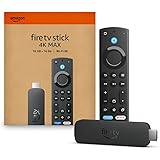
From a design perspective, the Smart Stick is commendably compact, resembling an oversized USB thumb drive. Its diminutive form factor allows it to plug directly into an HDMI port, remaining discreetly hidden behind the television. This minimalist aesthetic is a stark contrast to the bulkier set-top boxes of yesteryear, contributing to a cleaner, less cluttered entertainment area.
However, the convenience of its size is somewhat offset when considering the necessary peripherals. To fully optimize the Smart Stick’s functionality, users often need to incorporate a power adapter, an IR Blaster for enhanced remote control capabilities, and potentially a USB hub. The latter becomes crucial for connecting external input devices, particularly the increasingly essential Bluetooth keyboard. While these additions can create a slight bulk around the immediate vicinity of the HDMI port, the overall footprint remains significantly smaller than most dedicated media players. An additional feature is the option for an SD card, which further extends its utility for local media storage.
Storage is an essential consideration for any media device. The Smart Stick is available in 4GB or 8GB internal storage models. Critically, it includes a slot for a micro SD card, providing flexible expansion. While the video mentions an assumption of up to 32GB, many Android-based devices of this type can often support higher capacities, sometimes up to 128GB or even 256GB with proper formatting, although user mileage may vary depending on the specific model and firmware.
Navigating the Smart Stick Experience: Interface and User Interactions
Setting up the Smart Stick is a relatively straightforward process, designed to be intuitive for first-time users. Upon initial boot-up, a guided wizard assists in configuring essential settings such as language, screen size calibration, and Wi-Fi network connectivity. This guided setup ensures that even users who are less familiar with Android devices can quickly get their Smart TV conversion operational.
Once configured, the device presents a user-friendly home screen, segmented into logical categories: Apps, Browser, Video, Music, Photo, and Settings. This organized layout facilitates easy navigation through various functionalities. Customization options enhance the user experience, allowing users to pin up to six frequently used apps and two widgets for quick access. Furthermore, the home screen can be personalized with custom backgrounds, including static photos or dynamic live wallpapers, adding a touch of individual flair to the Smart TV interface.
The “Music,” “Video,” and “Photo” tabs are particularly useful for accessing media stored locally on the aforementioned SD card. Beyond local storage, the Smart Stick demonstrates advanced media sharing capabilities. It supports streaming media from other devices connected to the same Wi-Fi network, transforming your TV into a central media consumption hub. This functionality, however, requires the installation of the Plex app from the Google Play Store, alongside a Plex account and the Plex Media Server software installed on your source computers (e.g., PC). This setup exemplifies the device’s flexibility for users willing to invest a little extra effort into configuring a robust home media server environment.
Addressing User Experience Kinks and Browsing Challenges
Despite its impressive feature set and attractive price point, the Smart Stick is not without its user experience challenges, particularly when it comes to web browsing. The video highlights the inherent difficulty in navigating web pages properly using standard remote controls. Achieving a seamless “internet TV” experience has proven to be a significant hurdle for many companies attempting to integrate web browsers into living room devices. The intricacies of cursor control, text input, and fluid scrolling on a large screen with a limited input device often lead to frustration.
The reviewer draws a pertinent comparison to Google TV, noting that while the Smart Stick shares Android’s core, it lacks the sophisticated integration that made Google TV’s blend of live television and web content so seamless. On the Smart Stick, transitioning between live TV and the Android interface typically involves switching video sources, which diminishes the cohesive “search all media” experience that Google TV once offered. While not a critical flaw for pure streaming users, this design choice underscores the distinction between a dedicated Smart TV platform and a device that augments a traditional TV.
Remote Control Options: Basic vs. Advanced Input
The Smart Stick includes a basic remote control, featuring a directional pad and essential shortcut buttons for power, home, page navigation, search, menu, back, play/pause, and track skipping. While this remote adequately handles basic navigation and media playback, its limitations become apparent when text input is required. Typing on an on-screen keyboard using a directional pad can quickly become a tedious and frustrating exercise, especially for tasks like searching for content or entering login credentials.
Recognizing this ergonomic challenge, peripherals like the FAVI Bluetooth keyboard emerge as crucial companions for the Smart Stick. This particular accessory, while described with a love-hate sentiment, offers a full QWERTY keyboard layout, complete with number rows, special characters, and a comprehensive suite of shortcuts. It includes dedicated left and right mouse-click buttons, as well as essential keys like Control, Tab, Caps Lock, Shift, and a spacious spacebar. Its most significant enhancement, however, is the integrated trackpad, which provides a much more intuitive method for navigating web pages and controlling on-screen cursors. Furthermore, the FAVI keyboard distinguishes itself with a built-in infrared laser pointer, adding a touch of presentation utility. The keyboard is rechargeable via a mini USB port, a detail that subtly points to the device’s age, as the more modern micro USB or USB-C has become the standard for contemporary smartphones and accessories.
SmartStick: Common Questions for Your Smart TV Upgrade
What is the Smart Stick?
The Smart Stick is a small device, similar to a thumb drive, that plugs into your TV’s HDMI port to convert any HDTV into a Smart TV. It uses the Android system to add smart functionalities.
How does the Smart Stick turn a regular TV into a Smart TV?
By connecting to your TV’s HDMI port, the Smart Stick uses the Android operating system to provide access to various streaming apps, web browsing, and other digital content directly on your television screen.
What kind of content can I watch or listen to with the Smart Stick?
You can access popular streaming video services like Netflix, Hulu, and YouTube, and enjoy music streaming apps such as Pandora and Spotify. It also enables web browsing and playing media stored locally.
Do I need any special accessories to use the Smart Stick?
The Smart Stick plugs directly into an HDMI port and comes with a basic remote control. However, for a better experience, especially with web browsing and typing, a Bluetooth keyboard with a trackpad is highly recommended.
Is the Smart Stick difficult to set up?
No, setting up the Smart Stick is designed to be intuitive. Upon first use, a guided wizard will assist you in configuring essential settings like language, screen size, and Wi-Fi connectivity.