Preparing for University: Essential Tech for Students Beyond the Basics
Are you gearing up for university or college this year, wondering which gadgets will genuinely make a difference in your academic journey and daily life? The transition to higher education is an exhilarating period, brimming with new experiences and academic challenges. As The Tech Chap highlighted in the accompanying video, selecting the right *tech for students* can significantly ease this transition, fostering both productivity and well-being. However, choosing from the vast array of available devices requires thoughtful consideration of individual needs, course requirements, and budget constraints. This guide delves deeper into the essential *university gadgets* every student should consider, expanding on the insights shared in the video to help you make informed decisions.Optimizing Your Study Setup: Laptops for Every Student
A reliable laptop remains the cornerstone of any student’s *tech toolkit*. Its utility spans everything from attending virtual lectures and writing lengthy essays to managing research and collaborating on group projects. The video rightfully points out the popularity and premium nature of MacBooks, which are excellent choices for those accustomed to macOS or in fields like creative design. Nevertheless, a diverse range of alternatives exists, offering superb performance and value for money.Budget-Friendly & Everyday Performance
For students on a tight budget, options like the HP Stream 11 or 14, starting from just over £200, present a compelling case. These devices are perfectly adequate for fundamental tasks such as note-taking, essay writing, and casual media consumption. Furthermore, their lightweight design makes them incredibly portable, ideal for carrying between lectures and study sessions. Moving up the spectrum, an all-rounder like the Acer Swift 3 or HP Pavilion 15, typically priced around £500, offers a significant boost in performance. These *laptops for students* feature full Windows 10 functionality and enhanced specifications, ensuring quicker multitasking and smoother operation for more demanding applications. While they may not handle intensive gaming, they are more than capable of supporting most academic software and general computing needs.Powerhouses for Specialized Courses & Creative Endeavors
Certain degree programs, particularly those in design, engineering, or multimedia, necessitate a laptop with robust processing power and dedicated graphics capabilities. The Dell XPS 15 stands out in this category, featuring a quad-core processor and a dedicated NVIDIA GTX 1050 graphics card. This configuration renders it ideal for running CAD software, video editing suites, or graphic design applications seamlessly. Its smaller sibling, the Dell XPS 13, provides similar premium design and portability, albeit with slightly less graphical horsepower, making it a powerful yet compact choice for students who prioritize mobility.Gaming Laptops: Balancing Work and Play
For the avid gamer, bringing a full desktop PC to university accommodation might not be practical. Consequently, gaming notebooks, such as the HP Omen 15, offer an attractive compromise. While their striking designs might draw attention in a lecture hall, these machines are built to handle both intensive academic tasks and high-fidelity gaming. The integration of powerful processors and advanced graphics cards means students can smoothly transition from completing a 2000-word essay to engaging in a squad game of PlayerUnknown’s Battlegrounds without skipping a beat. This dual functionality ensures that *student tech* can cater to both academic rigor and essential leisure activities.Versatility and Portability: The Rise of Tablets and 2-in-1s
While laptops are indispensable, tablets and hybrid 2-in-1 devices are increasingly proving their worth as essential *university gadgets*, offering unparalleled portability and versatile input methods.Transformative 2-in-1 Devices
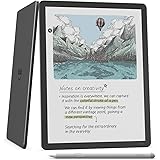
The Microsoft Surface Pro exemplifies the utility of a 2-in-1 device, effectively merging the power of a laptop with the flexibility of a tablet. With configurations like 8GB of RAM and 256GB of storage, it provides ample performance and capacity for most student needs. When paired with a Type Cover keyboard and the Microsoft Pen, the Surface Pro transforms into an ideal tool for art and design students who require precise digital drawing capabilities, or for anyone who prefers handwritten notes in a digital format. The tactile experience of writing directly on the screen can significantly enhance comprehension and retention, particularly for visual learners.Tablets as Supplementary Tools
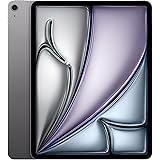
Even if a laptop is your primary device, a tablet like an iPad or a Samsung Galaxy Tab S3 can serve as an excellent supplementary tool. Their lightweight design ensures they are easy to carry around campus throughout the day, making them perfect for accessing digital textbooks, reviewing lecture slides, or consuming media during breaks. When equipped with a smart keyboard dock or a stylus, these *portable tech* devices become highly effective for note-taking in lectures, reducing the burden of carrying heavy notebooks. Moreover, the extensive app ecosystems available for iOS and Android tablets offer a wealth of educational and productivity applications designed to support various learning styles.Beyond Academics: Entertainment and Well-being Tech
University life is not solely about academics; it is also a period of immense personal growth, social interaction, and self-care. Therefore, *student tech* should also cater to entertainment and health.Gaming Consoles: A Hub for Social Connection and Relaxation
As highlighted in the video, gaming consoles often become a central point for social interaction and stress relief in student accommodations. Whether it is a PlayStation 4, an Xbox One, or a Nintendo Switch, these devices provide an avenue for shared experiences and competitive fun. Titles like Uncharted 4, Horizon Zero Dawn, and FIFA on PlayStation, or the robust multiplayer offerings on Xbox, foster camaraderie among housemates. The Nintendo Switch, with its unique portability and family-friendly games like Mario Kart and The Legend of Zelda, is particularly well-suited for impromptu gaming sessions with friends, making it an excellent *college gear* choice for breaking the ice and creating lasting memories.Wearable Tech: Prioritizing Health Amidst Student Life
Maintaining health and fitness can be challenging amidst the demanding schedule of university life. Consequently, investing in wearable tech, such as a smartwatch or a fitness tracker, can provide the motivation and tools needed to stay active. Devices like the Fitbit Alta or Fitbit Charge 2, available for just over £100, offer features such as step tracking, calorie monitoring, and sleep analysis. These insights empower students to make healthier choices and establish consistent routines. For those seeking more advanced functionalities, the Apple Watch Series 2 (or its successors) presents a robust option. Beyond its comprehensive fitness tracking capabilities, including being waterproof and offering a range of workout modes, its seamless integration with the Apple ecosystem provides smart notifications, communication tools, and even payment options directly from the wrist. This type of *student tech* transforms into a personal health coach and a convenient extension of one’s smartphone.Essential Support Gadgets: The Unsung Heroes of Student Life
While laptops and tablets capture much of the attention, certain often-overlooked *university gadgets* are crucial for smooth day-to-day operations and safeguarding your investments.The Indispensable Backpack
A quality backpack is more than just a bag; it is a critical piece of *college gear* for protecting your expensive electronics and textbooks. Brands like Targus (e.g., Urban Commuter series) and Eastpak (e.g., Austin model), offering options around £50, prioritize durability, ergonomic design, and specialized compartments. Look for features such as padded laptop sleeves, water-resistant materials, and ample organizational pockets to ensure your belongings are secure and easily accessible while navigating campus.The Convenience of a Personal Printer
While university libraries offer printing services, having a personal wireless printer, like the Canon Pixma (around £40), can save invaluable time and reduce stress, especially during peak essay submission periods. The ability to print documents instantly from your room, without waiting in queues or dealing with campus printer credits, is a significant convenience. Furthermore, many modern wireless printers support mobile printing, allowing you to print directly from your smartphone or tablet.Portable Power Banks and Noise-Cancelling Headphones
Students are often on the move, and finding an available power outlet can be a challenge. A high-capacity power bank is an essential *portable tech* item, ensuring your smartphone, tablet, or even small laptop stays charged throughout long days of classes and activities. Similarly, a good pair of noise-cancelling headphones can be a lifesaver. They create a personal sanctuary for focused study in bustling libraries, noisy dorms, or even during commutes, blocking out distractions and improving concentration.The Most Crucial Tech Tip: Data Backup Solutions
Perhaps the most paramount piece of advice for any student investing in *tech for students* is the unwavering commitment to backing up your work. As the video emphatically stresses, experiencing a laptop crash, an unexpected software quit, or file corruption can lead to the devastating loss of hours, if not days, of hard work. This shared experience underscores why robust backup solutions are not merely a convenience but an absolute necessity.Local Backup with External Hard Drives
An external hard drive, such as the Western Digital My Passport, offers a tangible and reliable method for local backup. These devices are generally straightforward to use, allowing students to copy all their critical files and projects onto a separate physical drive. Regularly scheduled backups to an external hard drive provide a secure, offline copy of your work, offering peace of mind even if internet access is unavailable or cloud services encounter issues. This physical redundancy ensures that, come what may, your academic output is safeguarded.Cloud Storage for Accessibility and Collaboration
Complementing local backups, cloud storage services like Dropbox or Google Docs provide unparalleled accessibility and collaboration features. By storing files in the cloud, students can access their documents from any device with an internet connection – be it a laptop, tablet, or smartphone. Moreover, cloud platforms often include automatic syncing capabilities, meaning changes made to documents are instantly saved and updated across all linked devices. This is particularly beneficial for group projects, as multiple students can work on the same document simultaneously, tracking changes and facilitating seamless collaboration. Investing in a combination of both local and cloud-based backup solutions is often the most prudent strategy for students. This dual approach ensures that your academic work is protected against a wide array of potential data loss scenarios, from hardware failures to accidental deletions. The peace of mind that comes from knowing your three-hour essay or crucial research project is securely backed up is, arguably, the most valuable piece of *tech for students* you can acquire. By prioritizing backup, students can focus on their studies without the pervasive fear of losing their hard-earned progress.Student Tech Q&A with The Tech Chap
Why is having a laptop important for university?
A reliable laptop is essential for university as it’s used for attending virtual lectures, writing essays, managing research, and collaborating on group projects. It’s considered the cornerstone of a student’s tech toolkit.
What kind of laptop should I get if I’m on a tight budget?
For students on a tight budget, options like the HP Stream 11 or 14 are good starting points. These devices are suitable for fundamental tasks like note-taking and essay writing, and are lightweight for easy portability.
Are tablets or 2-in-1 devices useful for students?
Yes, tablets and 2-in-1 devices offer great versatility and portability for students. They can combine the power of a laptop with the flexibility of a tablet, making them ideal for digital drawing, note-taking, or as supplementary tools for accessing digital textbooks.
Besides study tools, what other tech helps with university life?
Beyond academics, gaming consoles can foster social connection and relaxation, while wearable tech like fitness trackers helps students prioritize health and fitness. These gadgets support a well-rounded university experience.
What is the most important tech tip for students to remember?
The most crucial tech tip for any student is to consistently back up their work. This prevents the devastating loss of hours of hard work due to device issues, providing immense peace of mind.